
If your preschooler has stopped napping, you may still welcome a calmer part of the day. Quiet time can mean looking at pictures or building beside you while you finish a small task. It does not require silence, a completed project or a parent who has somehow folded every sock.
Eight quiet-time activities at a glance
Start with what you already own. Setup and cleanup below describe the suggested versions; adult help depends on your child and the materials.
| Activity | Setup | Likely help | Cleanup |
|---|---|---|---|
| Picture books | Choose two favourites | Finding a picture | Stack books |
| Audio story | Adult starts a story | Playback and questions | Put device away |
| Drawing | Paper and crayons | Starting or choosing | Collect supplies |
| Puzzle | One familiar puzzle | A tricky piece | Return pieces |
| Blocks | Small basket on a mat | Getting started | Fill basket |
| Sticker scene | Reusable set or paper | Peeling stickers | Gather sheets |
| Matching | Socks or large toys | Showing one match | One basket |
| Pretend play | Familiar toys | Introducing a scene | Return toys |
How to set up each activity
Use age-suitable materials and follow their supervision instructions. Choose pieces your child can handle safely, including when younger siblings share the space.
1. Look through familiar picture books
Set up: place two favourite books beside a cushion and look at the opening together. Your child turns pages, notices pictures and retells bits they remember; reading the words is optional.
Adapt and help: start with finding a familiar animal; add a picture hunt or invented ending if welcome. Help with pages or questions. Cleanup: stack the books. Change it: let a teddy be the audience.
2. Listen to a familiar audio story
Set up: choose a suitable story, check the volume and start it together on a device you control. Your child listens, joins a repeated phrase or draws something from the story.
Adapt and help: begin with one familiar episode; try a fuller story when wanted. Handle playback and pause for questions. Cleanup: put the device away. Change it: replay a favourite; UXREAD's read-aloud option is explained below.
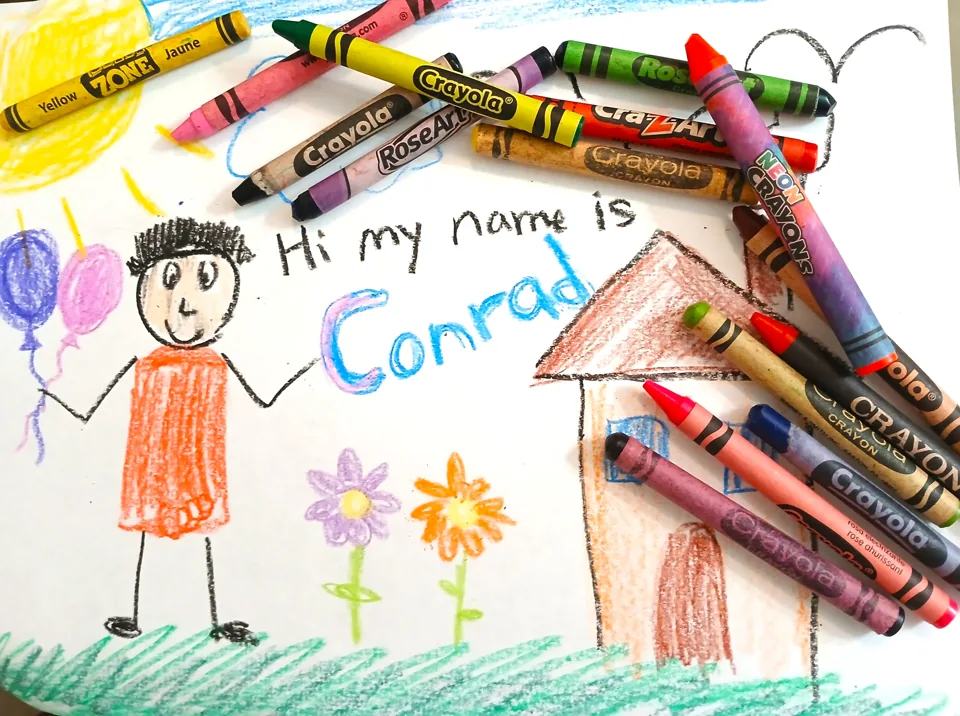
3. Draw with one simple prompt
Set up: put paper and suitable crayons on a protected surface. Suggest “Draw somewhere your teddy could live,” then let your child make marks, shapes or a scene.
Adapt and help: offer blank paper for a simpler start, or add a character for more detail. Help with supplies and welcome their own idea. Cleanup: collect crayons and paper. Change it: turn the paper over for another picture.

4. Revisit an age-appropriate puzzle
Set up: lay out one familiar puzzle on a tray or clear table. Your child matches shapes and pictures to rebuild it.
Adapt and help: choose large inset pieces for an easier version; offer a familiar jigsaw for more challenge. Start one piece together and help if stuck. Cleanup: return every piece to the tray or box. Change it: rebuild one favourite part instead of the whole picture.
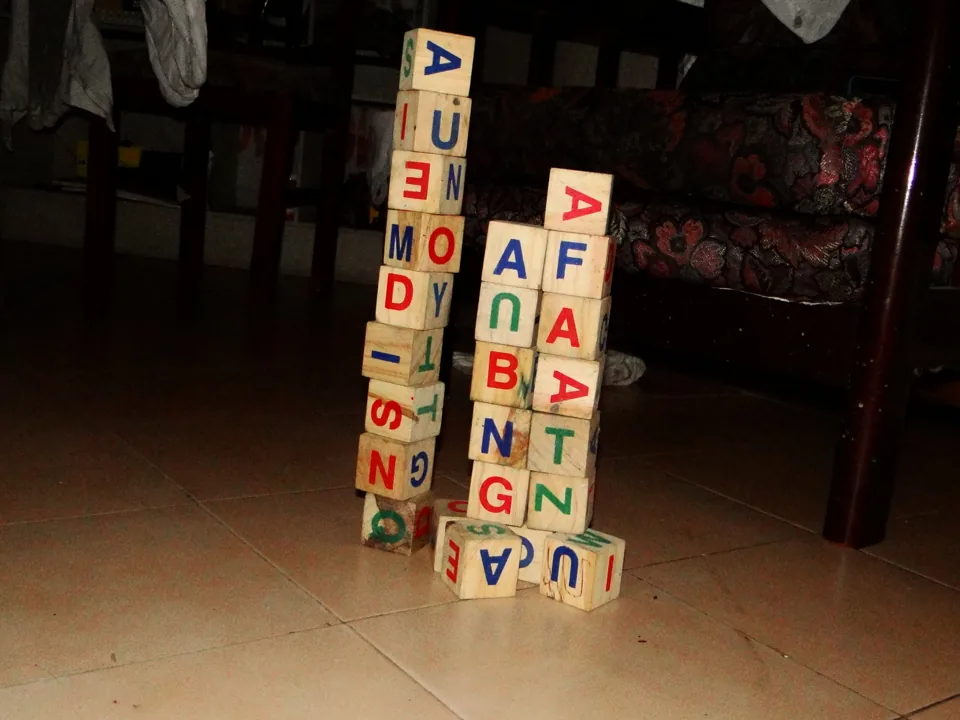
5. Build with suitable blocks
Set up: place a small basket of blocks on a mat. Suggest a low house or a road; your child stacks, lines up and rearranges pieces.
Adapt and help: begin with a row; add a repeating colour pattern or toy-sized home when ready. Help start or rebuild if asked. Cleanup: fill the basket together. Change it: add a familiar toy to visit the building.

6. Make a reusable sticker scene
Set up: open an age-suitable reusable sticker set, or use stickers and spare paper you already have. Your child places animals, vehicles or shapes into a scene.
Adapt and help: loosen larger stickers first; invite a small story if your child wants more. Help with peeling rather than directing every placement. Cleanup: gather sheets and loose backing. Change it: rearrange reusable stickers or add a drawing.
7. Sort or match familiar objects
Set up: put clean socks or large, suitable toy pieces in a basket. Show one matching pair; your child finds partners or groups colours. Avoid coins, beads and other small loose objects.
Adapt and help: begin with a few obvious pairs; add another colour or ask for a simple pattern. Demonstrate again if needed. Cleanup: use the same basket. Change it: switch from matching to lining up.
8. Play a small pretend scene
Set up: choose familiar toys, such as a teddy and toy cup. Start a pretend picnic; your child serves, talks to or settles the toys.
Adapt and help: begin with one action, then add another guest or role if wanted. Join briefly when your child needs a starting idea. Cleanup: return toys to their place. Change it: turn the picnic into a bedtime scene.
Choose for today, with the supplies you have
Match the activity to a current interest and something your child has already tried. A new puzzle that needs constant explanation may suit time together better. ZERO TO THREE recommends suitable materials, realistic expectations and staying within sight or hearing.
If setup energy is low, choose books or socks. If your child wants to make something, offer paper or blocks. Keep the nearby task small enough that you can pause and respond.
Quiet time activities for 3, 4 and 5 year olds
These are flexible starting points. Keep an easier favourite available at any age, and adjust for your child's interests and current abilities.
- For 3 year olds: try a familiar picture book, large puzzle pieces or a few sock pairs. Begin together and leave materials easy to reach.
- For 4 year olds: offer a sticker scene, teddy picnic or simple block pattern. Let your child choose what happens next.
- For 5 year olds: invite a drawn story, a familiar jigsaw or a small building plan. Add detail only if they want it.
A simple quiet-time routine checklist
A familiar sequence helps explain what comes next; HealthyChildren's guidance recommends predictable routines. Start with a manageable attempt and follow your child's response.
- Prepare: clear a safe space and set out materials.
- Offer two choices: “Books or drawing?”
- Begin together: open the book or start the scene.
- Move nearby: say what you will do and remain available.
- Reconnect: listen, look at the creation or share a cuddle.
- Tidy together: return supplies to their place.
Quiet time is a flexible activity period, including for children who no longer nap. Help and comfort remain available; it should not be punishment or a test of staying alone.
When your child needs help or changes their mind
- Repeated requests for help: check whether materials are awkward or the task is unfamiliar. Simplify, demonstrate or sit together again.
- Boredom: offer the activity's small variation. More toys are not always needed.
- Rejecting the activity: acknowledge it and offer the other choice. Check whether your child needs connection, movement or a different moment.
- Difficulty switching: explain the next step, allow a finishing action and save a drawing or build when practical.
An interrupted attempt still tells you which setup works today. You can shorten it or try again another day.
Questions about preschool quiet time
What are good quiet-time activities for preschoolers?
Try familiar books, drawing, puzzles, blocks, reusable stickers, matching, pretend play or a suitable audio story. Choose materials your child can handle with occasional help.
How do I introduce quiet time?
Offer two familiar choices and start together. Move to a small task nearby, stay available and reconnect afterwards; there is no required duration.
What if my child keeps asking for help?
Check whether the setup is too difficult or they want company. Help, simplify or join them again; independent activity can include your support.
How can I adapt activities for ages 3, 4 and 5?
Use fewer pieces and simpler actions as a starting point. Add a pattern, character or story when welcome, following ability and interest rather than a birthday.
What if my child rejects every suggestion?
Pause the plan and check what they need. Try time together or movement first, then return to one familiar choice another time.
Can audio stories be part of quiet time?
Yes, if your child enjoys them. An adult chooses and starts the story, checks the volume and stays nearby to answer or pause.
Fit story listening into your routine with UXREAD
UXREAD generates narration from book text. An adult can choose a suitable short story in their library or import an EPUB or TXT file they have permission to use. Preview it first: the recommended classics are not a dedicated preschool selection. Our toddler audiobook guide also shows commercial recordings for families with younger children.
Optional parent-voice narration uses a consenting adult's recording for generated speech. Complete setup, preview and save the voice before using it; an exact match is not guaranteed.
Listening: on Android, active narration can continue with the screen locked.
Following along: viewing text in the on-screen reader is a separate activity.
UXREAD is available on Google Play; iPhone availability is pending. Continued app access after the free trial requires a paid subscription, separate from free recommended book files.
Explore read-aloud stories for your quiet-time routine. Choose the story, start together and stay nearby.